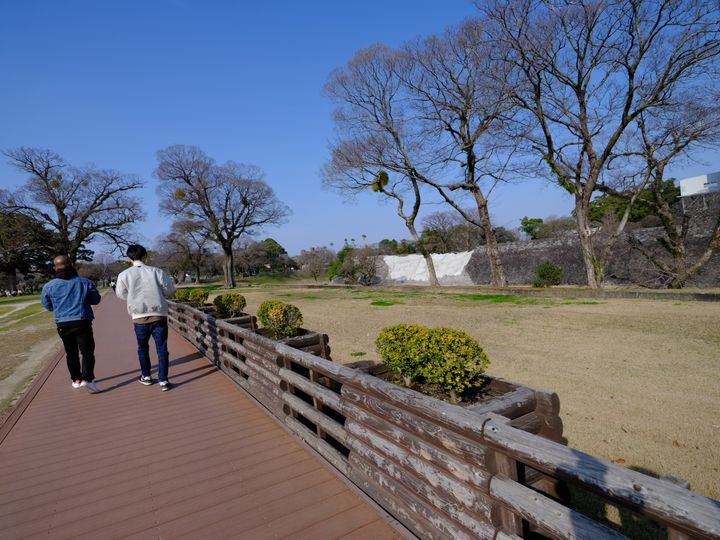
QT 01/11/2026 Sun Hebrews 13 Go Outside the Camp — Come Into the City 走出营外——进入城中
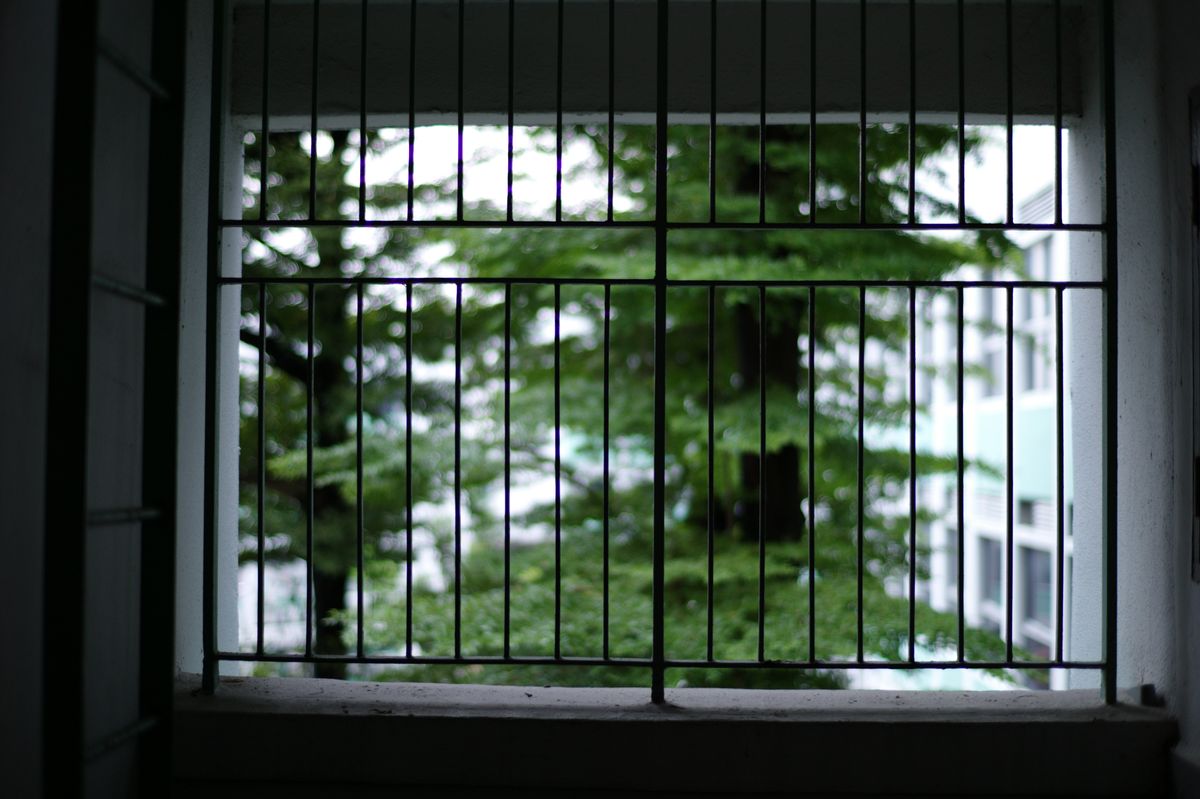
QT 01/11/2026 Sun Hebrews 13 Go Outside the Camp — Come Into the City
READ https://www.esv.org/Hebrews+13/
To come into God’s Holy Place, we must first go outside the camp—to Jesus. Hebrews 13 calls us to leave the comfort of the old camp, follow Christ beyond the gate, and bear His reproach. For outside the camp is where we find Jesus—and in Jesus, the way to the Holy City.
Scripture Focus: Hebrews 13:11–14 (ESV)
“Therefore let us go to him outside the camp and bear the reproach he endured. For here we have no lasting city, but we seek the city that is to come.” — Hebrews 13:13–14
(1) Go Outside the Camp — Follow Christ
The writer of Hebrews points us to a striking picture. Under the Old Covenant, the bodies of certain sin offerings were taken outside the camp and burned there. Jesus likewise suffered outside the gate of Jerusalem.
This was not an accident or a defeat. Christ willingly went outside, bearing shame and suffering, “in order to sanctify the people through his own blood.” Therefore, the call of the gospel is not merely, “Believe in Jesus and remain where you are.” It is: “Let us go to him.”
To follow Jesus means being willing to leave behind whatever competes with our loyalty to Him. Sometimes that means leaving the comfort of religious respectability. Sometimes it means standing apart from the values of the surrounding culture. Sometimes it means accepting misunderstanding or reproach because we belong to Christ.
The Christian life is ultimately about going to Jesus, wherever obedience to Him leads.
(2) Bear the Reproach He Endured
Hebrews does not hide the cost of discipleship: “Let us go to him outside the camp and bear the reproach he endured.” Jesus was rejected, mocked, condemned, and crucified. His followers should not be surprised when faithfulness to Him carries a cost.
But notice the focus: we do not bear reproach merely for the sake of suffering. We bear it because we are going to Christ. Our motivation is not pride, argument, or a desire to appear different. It is love and allegiance to Jesus.
The question for us is therefore: Am I willing to remain faithful to Christ when obedience is uncomfortable, unpopular, or costly? The cross reminds us that Christ has already gone before us.
(3) Come Into the City — Seek the City That Is to Come
Verse 14 gives us the second movement: “For here we have no lasting city, but we seek the city that is to come.” There is a beautiful tension in these verses.
- Go outside the camp.
- Seek the city that is to come.
We leave one place because we are looking toward another. The Christian does not ultimately belong to the present world. We live here, work here, serve here, love our families here, and faithfully fulfill our earthly responsibilities—but we know that this world is not our permanent home.
Our destination is the city that is to come: the eternal dwelling of God's people with Him. This changes how we live today. When earthly approval is lost, we remember that our citizenship is greater than human recognition. When earthly possessions disappoint us, we remember that we are seeking an eternal inheritance.
We note in verse 23 that “Timothy has been released”. He too faced challenges in ministry. When suffering comes, we remember that our present circumstances are not the final chapter.
(4) Outside the Camp, Toward the City
These two commands belong together.
- “Go to him outside the camp.”
- “Seek the city that is to come.”
The Christian life involves both departure and destination. We depart from dependence upon earthly acceptance and go to Christ. We turn away from treating this present world as our permanent home and set our hope upon God's coming city. And notice that our eyes are not ultimately fixed on what we leave behind. They are fixed on Christ.
We do not go outside the camp simply to be outside the camp. We go outside the camp because Jesus is there. And we do not seek the coming city merely because it is a better place. We seek it because God Himself is there.
(5) A Call to Faith Today
Hebrews 13:13–14 invites us to examine our hearts.
- Where am I tempted to choose comfort over faithfulness?
- Whose approval matters most to me?
- Have I become too attached to things that cannot last?
- Am I willing to follow Christ when obedience carries a cost?
- Is my hope anchored in the present world, or in the city that is to come?
The gospel gives us courage because Jesus has already gone outside the gate for us. He suffered. He shed His blood. He sanctified His people. And now He calls us: “Come to Me.” So let us go to Him. Let us bear His reproach. Let us loosen our grip on this passing world. And let us lift our eyes toward the city that is to come.
Prayer
Heavenly Father. Thank You for Jesus Christ, who suffered outside the gate and shed His own blood to sanctify us. Forgive us when we value the approval and comforts of this present world more than faithfulness to Christ. Give us courage to follow Jesus even when obedience is costly. Help us willingly bear reproach for His name without bitterness, pride, or fear. Teach us to remember that we have no lasting city here. Fix our hearts upon the city that is to come and upon the eternal hope we have in Christ. May our lives show that Jesus is our treasure, our refuge, and our true home. In the name of Jesus Christ, Amen.
QT 01/11/2026 星期日 希伯来书 13 走出营外——进入城中
阅读 http://m.bbintl.org/bible/ncv/Heb/13/
要进入神的圣所,我们必须先走出营外——走向耶稣。《希伯来书》第13章呼召我们离开旧营的安逸,跟随基督走出城门,并担当祂所受的羞辱。因为营外正是我们寻见耶稣之处——而在耶稣里面,便是通往圣城的道路。
经文聚焦:《希伯来书》13:11–14
“ 那些祭牲的血,由大祭司带进圣所作赎罪祭,祭牲的身体却要在营外焚烧。12 所以耶稣也是这样在城门外受苦,为的是要借着自己的血使人民成圣。13那么,让我们也出到营外到他那里去,担当他的凌辱。14 因为在这里我们没有长存的城,我们却是寻求那将要来的城。
(1) 走出营外——跟随基督
《希伯来书》的作者向我们描绘了一幅引人深思的画面。在旧约时代,某些赎罪祭的牲畜尸体会被带到营外,在那里焚烧。耶稣同样在耶路撒冷城门外受苦。
这并非偶然,也非失败。基督甘愿走出城外,承受羞辱与苦难,“为的是要借着自己的血使人民成圣”。因此,福音的呼召不仅仅是“信耶稣,安于现状”,而是:“让我们到祂那里去。”
跟随耶稣意味着愿意舍弃一切与我们对祂的忠诚相冲突的事物。有时这意味着离开宗教体面的舒适圈;有时意味着与周围文化的价值观保持距离;有时则意味着因为我们属于基督,而甘愿承受误解或责难。
基督徒的生活归根结底就是归向耶稣,无论顺服祂会将我们引向何方。
(2) 承受祂所受的羞辱
《希伯来书》并未隐瞒作门徒所要付出的代价:“那么,让我们也出到营外到他那里去,担当他的凌辱。”耶稣曾被弃绝、被嘲弄、被定罪,并被钉在十字架上。祂的追随者不应惊讶于对祂的忠心会带来代价。
但请注意重点:我们承受羞辱并非仅仅为了受苦。我们之所以承受,是因为我们正走向基督。我们的动机不是骄傲、争辩,也不是为了显得与众不同,而是出于对耶稣的爱与忠诚。
因此,我们需要自问:当顺服带来不适、不受欢迎或代价高昂时,我是否仍愿意对基督保持忠心?十字架提醒我们,基督早已为我们开路。
(3) 进入城中——寻求那将来的城
第14节向我们揭示了第二步:“因为在这里我们没有长存的城,我们却是寻求那将要来的城。”这些经文中蕴含着一种美好的张力。
- 走出营外。
- 寻求那将来的城。
我们离开一处,是因为我们正仰望另一处。基督徒最终并不属于现今的世界。我们生活在此,工作在此,服侍在此,在此爱我们的家人,并忠心地履行我们在世上的责任——但我们知道,这个世界并非我们永久的家。
我们的归宿是那将要来临的城:神子民与神同在的永恒居所。这改变了我们今日的生活方式。当失去世人的认可时,我们要记住,我们的公民身份远比人的认可更为崇高。当世上的财物让我们失望时,我们要记住,我们所寻求的是永恒的基业。
我们在第23节中注意到“提摩太已经获释”。他在事工中也曾面临挑战。当苦难来临时,我们要记住,我们目前的处境并非最终的结局。
(4) 出营外,朝向那城
这两条命令是相辅相成的。
- “到营外去见他。”
- “寻求那将来的城。”
基督徒的生活既涉及出发,也涉及目的地。我们离开对世人接纳的依赖,转向基督。我们不再将现今的世界视为永久的家园,而是将盼望寄托在神那将来的城上。请注意,我们的目光最终并非定睛在所离弃的事物上,而是定睛在基督身上。
我们走出营外,并非仅仅为了身处营外;我们走出营外,是因为耶稣在那里。我们寻求那将来的城,也并非仅仅因为那里是更美好的地方。我们寻求它,是因为神自己就在那里。
(5) 今日对信心的呼召
《希伯来书》13:13–14 邀请我们省察自己的内心。
- 在哪些方面,我容易因追求安逸而牺牲忠心?
- 谁的认可对我来说最重要?
- 我是否过于执着于那些无法长存的事物?
- 当顺服需要付出代价时,我是否愿意跟随基督?
- 我的盼望是系在现今的世界,还是系在那将来的城里?
福音赐给我们勇气,因为耶稣已经为我们走出了城门。祂受了苦,流了血,使祂的子民成圣。如今,祂呼召我们:“到我这里来。”所以,让我们到祂那里去。让我们担当祂的羞辱。让我们松开对这转瞬即逝的世界紧握的双手,并将目光投向那将来的城。
祷告
天父,感谢祢赐下耶稣基督,祂在城门外受苦,并倾流自己的宝血来圣洁我们。当我们更看重今世的认可与安逸,胜过对基督的忠心时,求祢赦免我们。求祢赐给我们勇气,即使顺服要付出代价,也要跟随耶稣。帮助我们甘心为祂的名承受羞辱,不带苦毒、骄傲或惧怕。教导我们记住,我们在这世上没有永存的城。使我们的心定睛于那将来的城,以及我们在基督里所拥有的永恒盼望。愿我们的生命彰显出耶稣是我们的珍宝、我们的避难所,也是我们真正的家。奉耶稣基督的名祈求,阿们。