QT 16/03/2026 Mon. Mark 4 Are you the insider or outside? 你是局内人还是局外人?
QT 16/03/2026 Mon. Mark 4 Are you the insider or outside?
READ http://www.esv.org/mark4
Jesus talks about “those outside” and addressed His disciples as “you” in Mark 4. So are you an insider, or outsider? How do you know? Let’s find out!
Mark 4 provides a deep exploration of the nature of spiritual understanding, growth, and faith. Let's unpack these elements.
(1) Parable of the Sower (Mark 4:1-20)
In Mark 4:11-12, Jesus explains that while insiders are given the secret of the kingdom of God, outsiders only hear parables. The difference between the two groups isn't about external factors, but about the heart’s openness to God's Word. Jesus’ teaching through parables isn’t meant to be an exclusive secret but rather a dividing line between those who are ready to engage with God’s truth and those who aren’t.
The Parable Breakdown:
Seeds on the path represent those whose hearts are hard, making them unresponsive to the gospel. Satan quickly snatches away any potential for growth.
Seeds on rocky soil stand for people who initially receive the Word with joy, but when tribulation or persecution arises, their faith withers. This speaks to the shallowness of their commitment.
Seeds among thorns show the distractions of life—worries, wealth, and desires—that choke out the Word and make the person unfruitful.
Good soil represents those who hear the Word, accept it, and bear fruit. This is the mark of true discipleship: a life that reflects God's transformative power.
Reflection: This is a good moment to reflect personally: Where am I in the parable? Are there areas of my life where the seed of God's Word hasn’t taken root or been choked out by distractions? Is there fruit being produced in my life, or do I need to cultivate a more fertile heart for growth?
Application: Jesus calls us to "hear the word, accept it, and bear fruit" (Mark 4:20). This isn't just about hearing once but about making God's Word a part of our everyday lives. The parable encourages us to:
- Memorize Scripture so it becomes part of our inner being.
- Practice it in community with others, living it out together.
- Engage in spiritual disciplines that nourish and protect the seed of God’s Word in our hearts.
(2) Guidance Notes for Spiritual Fruitfulness (Mark 4:21-34)
The Parable of the Lamp (Mark 4:21-25): Jesus calls us to cherish the light He has given. The light of understanding God’s Word is something we’re meant to use, not hide. In other words, take what God reveals to you and share it, because the more we walk in the light, the more God will reveal. If we don’t cherish or use it, even what we have will be taken away.
Application: Ask yourself: Am I putting into practice what God has revealed to me, or am I letting it fade into the background of my life?
(2a) The Parable of the Growing Seed (Mark 4:26-29): This parable highlights that growth is a mystery and comes through God's power. We plant the seed, but only God can make it grow. This humbles us because spiritual growth isn’t about human effort alone—it’s about grace. There’s no room for boasting in our achievements; rather, we give God the glory.
Application: Cultivate an attitude of humility. Recognize that your growth in the faith is God’s work—all we can do is cooperate with His process.
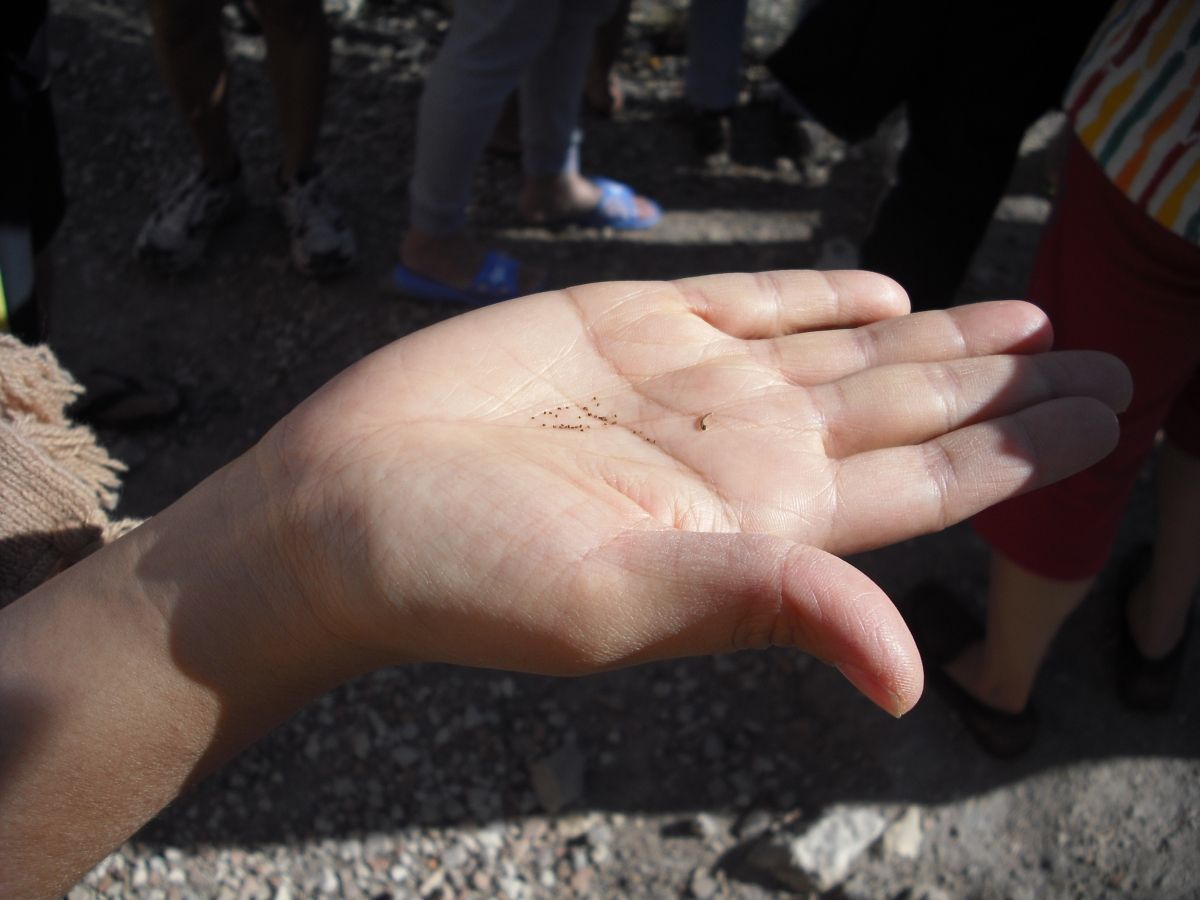
(2b) The Parable of the Mustard Seed (Mark 4:30-34): Even something as small as a mustard seed can grow into something great in God’s kingdom. This teaches us that spiritual growth may seem insignificant at first, but with time and nurture, it can flourish beyond what we might expect. Never underestimate the potential of small beginnings.
Application: Don’t despise small beginnings. Even the smallest acts of faith and obedience can lead to tremendous spiritual fruit in God's timing.
(3) With Jesus’ Presence, His Followers Overcome Fear with Faith (Mark 4:35-41)
The disciples face a literal storm, and while Jesus is with them, they panic. They question His concern for their safety. But when Jesus calms the storm, He also rebukes their lack of faith. This passage serves as a powerful reminder that, with Jesus in our lives, we are never alone in our storms. Faith is not the absence of fear, but the presence of trust in God, even when the storms are raging.
Application: In the storms of life, do I turn to Jesus in faith? Or do I panic and forget His promises? This is a call to strengthen our trust in God’s sovereignty.
Conclusion:
Insider or Outsider? Reflect on where you are in terms of spiritual receptivity. The Word is a treasure, and Jesus calls us to take it seriously and allow it to transform us.
Fruitfulness: Be intentional in cultivating a life that bears spiritual fruit. Meditate on Scripture, pray, and live in community with others who can encourage you in this process.
Faith Over Fear: When storms come (and they will), let us remember that our faith in Jesus is greater than any fear.
Prayer
Heavenly Father. Thank You for revealing the secrets of Your kingdom to us through Jesus. Soften our hearts to receive Your Word and help us bear fruit for Your glory. Guard us from distractions and help us grow in faith. In times of fear and struggle, remind us that You are with us, and help us trust You fully. In Jesus' name, Amen.
QT 16/03/2026 星期一. 马可 4 你是局内人还是局外人?
阅读 http://m.bbintl.org/bible/ncv/mak/4/
耶稣在马可福音4章提到 “外人”,并称呼门徒为 “你们”。那么你属于局内人还是局外人?如何分辨?让我们一起探索!
马可福音第4章深入探讨了属灵领悟、成长与信心的本质。让我们逐一剖析这些要素。
(1) 撒种的比喻(马可福音4:1-20)
马可福音4:11-12中,耶稣阐明:属内的人领受天国的奥秘,属外的人只听见比喻。两者的区别不在于外在条件,而在于心灵是否向神的话语敞开。耶稣用比喻教导并非要制造排他性秘密,而是划分界线——区分那些预备好领受神真理的人与尚未预备好的人。
寓言解析:
路旁的种子象征心肠刚硬之人,对福音毫无反应。撒但迅速夺去一切成长可能。
磐石上的种子代表初听道时满心欢喜,但遇患难逼迫便枯萎的人,彰显其信心的浅薄。
荆棘中的种子象征世俗的纷扰——忧虑、财富与欲望——这些会窒息真道,使人毫无果效。
好土代表那些听见真道、接受真道并结出果实的人。这正是真正门徒的印记:生命彰显着上帝改变人心的能力。
反思:此刻正是个人反思的好时机:我在这个比喻中扮演什么角色?我的生命中是否存在上帝话语的种子未能扎根,或被纷扰扼杀的领域?我的生命是否结出了果实,抑或需要培育更肥沃的心田以促进成长?
应用:耶稣呼召我们 “听道、接受道、结出果实”(马可福音4:20)。这不仅是单次聆听,更是让神的话语融入日常生活的过程。这则比喻激励我们:
- 背诵经文,使其成为内在生命的一部分。
- 在群体中实践真理,共同活出信仰。
- 持守属灵操练,滋养并守护心中神话语的种子。
(2) 结出属灵果子的指引(马可福音4:21-34)
灯的比喻(马可福音4:21-25):耶稣呼召我们珍视祂所赐的光。领悟神话语的光是为使用而非隐藏的。换言之,当你领受神的启示时,务必分享出去——因越行在光中,神就越发启示。若不珍惜或运用,连现有的光也会被夺去。
应用:自省:我是否践行神所启示的真理?抑或任其淡出生命背景?
(2a) 种子生长的比喻(马可福音4:26-29):这个比喻强调成长是奥秘,源于上帝的大能。我们播种,但唯有上帝能使种子生长。这使我们谦卑,因为属灵成长并非仅靠人力——而是恩典的作为。我们不可夸口自己的成就,当将荣耀归给上帝。
应用:培养谦卑的态度。认识到你在信仰中的成长是上帝的工作——我们所能做的只是配合祂的进程。
(2b) 芥菜种的比喻(马可福音4:30-34):在上帝的国度里,即使像芥菜种般微小的事物也能成长为伟大的事物。这教导我们:属灵成长初时看似微不足道,但经岁月滋养终将超乎预期地蓬勃发展。切莫轻视微小开端的潜能。
应用:勿轻视微小开端。即便是最微小的信心与顺服之举,在上帝的时机里都可能结出丰硕的属灵果实。
(3) 耶稣同在时,门徒凭信心战胜恐惧(马可福音4:35-41)
门徒遭遇真实的风暴,即便耶稣同在,他们仍惊惶失措,质疑祂是否关心他们的安危。但当耶稣平息风暴时,也责备了他们缺乏信心。这段经文有力提醒我们:有耶稣同在,我们在风暴中永不孤单。信心并非毫无恐惧,而是在风暴肆虐时仍对神存有信靠。
应用:在人生的风暴中,我是否凭信心转向耶稣?还是惊惶失措,忘记祂的应许?这是呼召我们坚固对神主权的信靠。
结论:
属灵的内里人还是外在人?反思你在属灵领受力上的位置。神的话语是宝藏,耶稣呼召我们认真对待它,让它改变我们。
结出果子:刻意培养结出属灵果子的生命。默想圣经、祷告,并与能在此过程中鼓励你的弟兄姊妹建立团契。
信胜于惧:当风暴来临(而它必将降临),让我们谨记:对耶稣的信心胜过一切恐惧。
祷告
天父上帝,感谢祢借耶稣向我们启示天国的奥秘。求祢软化我们的心领受祢的话语,帮助我们结出荣耀祢的果子。求祢保守我们免受干扰,使我们信心日增。在恐惧挣扎之时,提醒我们祢常与我们同在,帮助我们全然信靠祢。奉耶稣的名祷告,阿们。