QT 20/03/2026 Fri. John 4:27–42 From Water Jar to Witness 从水罐到见证
QT 20/03/2026 Fri. John 4:27–42 From Water Jar to Witness
READ http://www.esv.org/john4:27-42
The Samaritan woman in John 4 left her water jar at the well to run back to town. Her main purpose for going to the well that afternoon was replaced with a more important task—testifying about her encounter with Jesus. Have you experienced changes in priorities upon encountering Jesus recently?
Hope you have read through the verses. Here are the reflections for today.
(1) The Surprise of Grace (vv. 27–30)
When the disciples returned, they were astonished that Jesus was speaking with a Samaritan woman. In that culture, Jews avoided Samaritans, and rabbis rarely spoke publicly with women. Yet Jesus intentionally crossed those social and religious barriers.
The woman’s response is remarkable. After encountering Jesus, she leaves her water jar—the very reason she came to the well—and runs back to town.
This small detail is powerful. Her priorities changed immediately. Instead of hiding in shame, she becomes a witness: “Come, see a man who told me all that I ever did. Can this be the Christ?” (John 4:29)
She does not present a polished theological argument. She simply invites others to come and see.
Reflection: God often uses the most unlikely people to share the gospel. A woman once marginalized by her community becomes the first missionary to her town. You alone might feel that you won’t be able to do this or that. But with God, you can serve beyond your own imagination because of the surprise of grace that God bestows.
(2) The Food That Satisfies (vv. 31–34)
While the woman is bringing the town, the disciples urge Jesus to eat. Jesus replies with a puzzling statement: “I have food to eat that you do not know about.” (John 4:32) They misunderstand, thinking someone brought Him food.
But Jesus explains: “My food is to do the will of him who sent me and to accomplish his work.” (John 4:34). For Jesus, obedience to the Father and the salvation of people were more necessary and satisfying than physical food.
Reflection: The deepest satisfaction in life is not found in comfort, success, or possessions—but in participating in God’s mission. Have you missed the point all these years?
(3) The Harvest Is Ready (vv. 35–38)
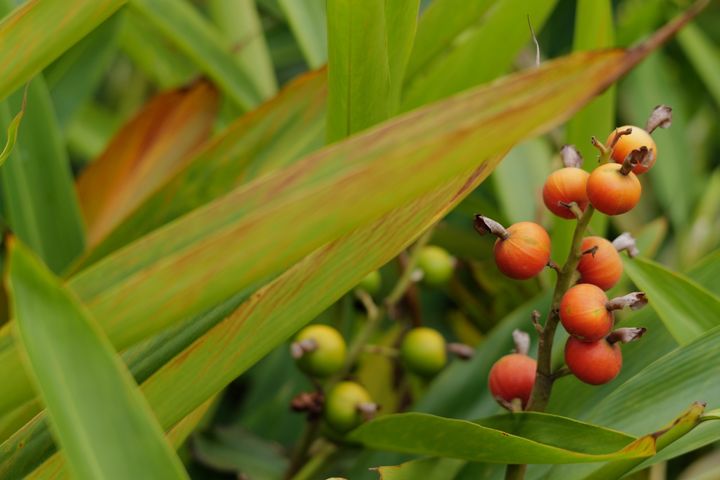
Jesus then uses an agricultural picture the disciples would understand. “Lift up your eyes, and see that the fields are white for harvest.” (John 4:35) Many scholars believe the Samaritans may have been walking toward them at that moment, perhaps wearing light-colored garments—visually illustrating the harvest. Jesus teaches two important principles:
(a) God prepares hearts before we arrive. “Others have labored.” (John 4:38).
(b) Evangelism is a shared work.“One sows and another reaps.” (John 4:37).
Sometimes we plant seeds. Sometimes we water. Sometimes we see the harvest. But all the work and growth belongs to God.
(4) From Testimony to Personal Faith (vv. 39–42)
Many Samaritans believed because of the woman’s testimony. But after meeting Jesus themselves, they say: “It is no longer because of what you said that we believe, for we have heard for ourselves.” (John 4:42) Their faith moved from secondhand testimony to personal conviction.
They then declare one of the most profound titles in the Gospel of John: “This is indeed the Savior of the world.” (John 4:42) Not just Savior of Jews. Not just Savior of Samaritans.
But Savior of the world!
Key Gospel Themes in This Passage
(a) The Gospel crosses boundaries: Jesus breaks ethnic, gender, and social barriers to reach sinners.
(b) Ordinary believers can be powerful witnesses: The Samaritan woman had no training—only a transformed life.
(c) God is already at work in the world: We step into a harvest God has been preparing.
(d) True faith is personal: People must ultimately hear Christ for themselves.
Application: Ask yourself,
- Who around me might be ready for the harvest?
- Am I willing to simply say, “Come and see”?
- Do I find joy in doing God’s will, like Jesus did?
Sometimes the greatest evangelistic impact begins with one conversation at a well.
🙏 Prayer
Lord, open my eyes to see the fields that are ready for harvest. Give me the courage of the Samaritan woman to share what You have done in my life. Help me find my joy and satisfaction in doing Your will. And may many come to know Jesus as the Savior of the world. In Jesus’ name I pray, Amen.
QT 20/03/2026 星期五. 约翰福音4:27-42 从水罐到见证
阅读 http://m.bbintl.org/bible/ncv/mat/21/
约翰福音4章中的撒玛利亚妇人将水罐留在井边,匆匆跑回城里。她那天下午赴井的主要目的,已被更重要的使命取代——见证她与耶稣的相遇。你最近是否经历过遇见耶稣后优先事项的改变?
愿你已读完经文。以下是今日的反思:
(1) 恩典的惊喜(27-30节)
门徒回来时,惊讶地发现耶稣正与撒玛利亚妇人交谈。在当时的文化中,犹太人避开撒玛利亚人,拉比们也很少公开与妇女交谈。但耶稣刻意跨越了这些社会与宗教的藩篱。
妇人的反应尤为动人。遇见耶稣后,她竟丢下水罐——这正是她来井边的初衷——奔回城里。
这个细微之处蕴含巨大力量。她的优先次序瞬间改变。她不再羞愧躲藏,反而成为见证者:“你们来,看看一个人,他把我所作的一切都说出来,难道这人就是基督吗?” (约翰福音4:29)
她并未提出精妙的神学论证,只是单纯地邀请他人前来亲眼见证。
反思:上帝常借最不起眼的人传扬福音。曾遭社区排斥的妇人,竟成为本乡首位传教士。你或许自认力有未逮,但凭着上帝赐予的恩典之奇,你必能超越自我设限,成就超乎想象的事工。
(2) 满足人心的食物(31-34节)
当妇人去请人来时,门徒催促耶稣进食。耶稣却以令人费解的话回应:“我有食物吃,是你们所不知道的。”(约翰福音4:32)门徒误以为有人送来食物。
耶稣解释道:“我的食物就是遵行差我来者的旨意,并且完成他的工作。” (约翰福音4:34)对耶稣而言,顺服天父旨意与拯救世人,远比肉体食物更必要、更令人满足。
反思:生命最深的满足不在舒适、成功或物质,而在参与神的使命。这些年来,你是否始终错失了重点?
(3) 成熟的庄稼(35-38节)
耶稣随即用门徒熟悉的农耕意象说明:“举目向田观看,庄稼已经熟了,可以收割了。”(约翰福音4:35)许多学者认为当时撒玛利亚人或许正穿着浅色衣裳向他们走来,恰似视觉化的庄稼景象。耶稣由此阐明两项重要真理:
(a) 神在我们抵达前已预备人心。“别人劳苦,你们却享受他们劳苦的成果。” (约翰福音4:38)
(b) 传福音是共同的事工。“撒种的和收割的是不同的”(约翰福音4:37)。
有时我们播种,有时我们浇灌,有时我们收获果实。但一切工作与成长都源于上帝。
(4) 从见证到个人信仰(39-42节)
许多撒玛利亚人因妇人的见证而信。但亲遇耶稣后,他们宣告:“现在我们信,不再是因为你的话,而是因为我们亲自听见了” (约翰福音4:42)他们的信心从二手见证升华为亲身确信。
他们随即宣告约翰福音中最深邃的称谓之一:“这位真是世人的救主。”(约翰福音4:42)不仅是犹太人的救主,不仅是撒玛利亚人的救主,而是普世的救主!
本段落核心福音主题
(a) 福音跨越疆界:耶稣打破种族、性别与社会隔阂,拯救罪人。
(b) 平信徒亦可成为有力见证:撒玛利亚妇人未经训练——唯有生命被彻底改变。
(c) 神早已在世间动工:我们踏入的是神预备已久的收割场。
(d) 真信心源于个人:人终须亲自聆听基督。
应用思考:
- 我身边谁已预备好收割?
- 我是否愿意简单地说 “来看看”?
- 我是否像耶稣那样,在遵行神旨意中得着喜乐?
有时最伟大的福音影响,始于井边的一次对话。
🙏 祷告
主啊,求祢开启我的双眼,使我看见那些预备好要收割的庄稼。赐我撒玛利亚妇人的勇气,让我能分享祢在我生命中所成就的事。求祢帮助我,使我能在遵行祢的旨意中找到喜乐与满足。愿许多人认识耶稣是世界的救主。奉耶稣的名祷告,阿们。