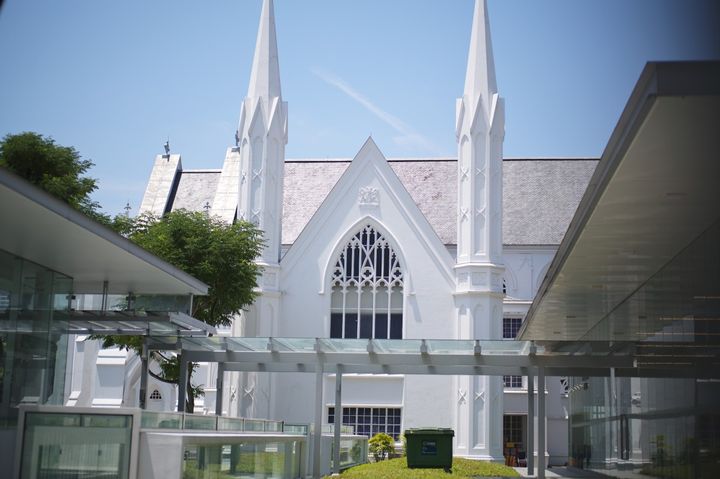
QT 21/08/2026 Fri John 11:45–57 When Truth Demands a Decision 当真理要求做出抉择时

QT 21/08/2026 Fri John 11:45–57 When Truth Demands a Decision
READ https://www.esv.org/john11:45-57/
What if I told you the greatest miracle in Jesus' ministry led directly to His death? After Jesus raised Lazarus, many believed—but others plotted to kill Him. What looked like man's evil plan was actually God's perfect plan to save the world. Let's discover the powerful truth in John 11:45–57.
Jesus had raised Lazarus from the dead. But why would anyone want to kill a man who just raised the dead, a miracle performer? The answer reveals the darkness of the human heart—and the greatness of God's salvation. John 11 shows that even man's rejection couldn't stop God's redemptive plan.
After Jesus raised Lazarus from the dead, many who witnessed the miracle believed in Him (John 11:45). Yet the same miracle that led some to faith hardened the hearts of others. Instead of rejoicing that God had displayed His power over death, some went straight to the Pharisees to report what Jesus had done (John 11:46). The evidence was undeniable, but their response was not worship—it was opposition.
The chief priests and Pharisees convened the Sanhedrin in fear. Ironically, they did not question whether Jesus had performed miracles. They acknowledged, "This man performs many signs" (John 11:47). Their concern was not truth but self-preservation. They feared that if everyone believed in Jesus, the Romans would intervene and threaten their position, influence, and nation (John 11:48). Their love for power outweighed their willingness to submit to God's Messiah.
Then Caiaphas, the high priest, declared, "It is better for you that one man should die for the people, not that the whole nation should perish" (John 11:50). Though he spoke with political intent, God sovereignly used his words to proclaim the heart of the gospel. As John explains, Caiaphas unknowingly prophesied that Jesus would die not only for Israel but also to gather into one the scattered children of God (John 11:51–52).
What Caiaphas intended as a strategy to eliminate a perceived threat, God intended as His eternal plan of redemption. Jesus would indeed die for His people—but not merely to preserve a nation. He would bear the judgment for sin, reconciling sinners to God through His sacrificial death. Even human schemes could not frustrate God's sovereign purpose.
From that day forward, the religious leaders plotted to put Jesus to death (John 11:53). Their rejection reminds us that unbelief is not primarily a lack of evidence but a resistance of the heart. They witnessed compelling signs, yet refused to surrender to Christ because following Him would cost them what they valued most.
The question this passage asks each of us is simple: What will we do with Jesus? His life, death, and resurrection demand a response. Like those who believed after seeing Lazarus raised, we are called to trust Him as the promised Messiah and Savior. Unlike the religious leaders, we must not allow pride, fear, or the desire to control our own lives to keep us from submitting to His lordship.
Jesus' death was never a tragic accident. It was God's gracious plan from eternity to save sinners. The cross stands as the greatest demonstration of both God's justice and His love. Through Christ's sacrifice, all who believe are forgiven, adopted into God's family, and given the sure hope of eternal life.
Prayer
Heavenly Father, thank You for sending Your Son to die in my place according to Your perfect plan. Forgive me for the times I allow fear, pride, or self-interest to keep me from fully trusting and obeying You. Give me a humble heart that responds to Jesus with faith rather than resistance. Help me to treasure Christ above my own comfort, reputation, or ambitions. May my life bear witness that Jesus is the Savior and King who is worthy of my wholehearted devotion. In Jesus' name, Amen.
QT 21/08/2026 星期五 约翰福音 11:45–57当真理要求做出抉择时
阅读 https://www.biblegateway.com/passage/?search=john 11%3A45-57&version=CNVS
如果我告诉你,耶稣事工中最伟大的神迹直接导致了祂的死亡,你会作何感想?耶稣使拉撒路复活后,许多人信了——但也有人密谋要杀害祂。看似人的邪恶计划,实则是上帝拯救世界的完美计划。让我们一同探索《约翰福音》11:45–57中所蕴含的强大真理。
耶稣曾使拉撒路从死里复活。但为什么有人想要杀害一个刚刚使死人复活、行神迹的人呢?答案揭示了人心的黑暗——以及上帝救赎的伟大。约翰福音第11章表明,即便是人的拒绝,也无法阻止上帝的救赎计划。
耶稣使拉撒路从死里复活后,许多目睹神迹的人便信了他(约翰福音11:45)。然而,同一个神迹,既使一些人信了主,却也使另一些人的心更加刚硬。他们非但没有因神彰显了胜过死亡的大能而欢喜,反而径直去找法利赛人,报告耶稣所行的事(约翰福音11:46)。证据确凿,但他们的反应却不是敬拜——而是反对。
大祭司和法利赛人因恐惧而召集了公会。讽刺的是,他们并没有质疑耶稣是否行过神迹。他们承认:“这人行了许多神迹”(约翰福音 11:47)。他们关心的不是真理,而是自保。他们担心,如果所有人都信了耶稣,罗马人就会介入,从而威胁到他们的地位、影响力和国家(约翰福音 11:48)。他们对权力的渴求,压过了他们顺服上帝弥赛亚的意愿。
随后,大祭司该亚法宣告:“一个人代替人民死,免得整个民族灭亡,这对你们是有益的”(约翰福音11:50)。尽管他这番话出于政治考量,但上帝以祂的主权运用了祂的话语,以此宣告了福音的核心。正如约翰所解释的,该亚法在不知不觉中预言了耶稣不仅要为以色列而死,还要将分散的上帝儿女聚集为一(约翰福音11:51–52)。
该亚法本意是想通过这一策略消除所谓的威胁,而上帝却将其定为祂永恒的救赎计划。耶稣确实要为祂的子民而死——但不仅仅是为了保全一个民族。祂要承担罪的审判,通过牺牲性的死亡使罪人与神和好。即便是人的诡计,也无法阻挡神的至高旨意。
从那天起,宗教领袖们就密谋要杀害耶稣(约翰福音 11:53)。他们的拒绝提醒我们,不信主要不是因为缺乏证据,而是出于内心的抗拒。他们亲眼目睹了令人信服的神迹,却拒绝向基督屈服,因为跟随祂将使他们失去最珍视的东西。
这段经文向我们每个人提出的问题很简单:我们将如何对待耶稣?祂的一生、死亡与复活都要求我们作出回应。就像那些目睹拉撒路复活后信主的人一样,我们也被呼召要信靠祂——这位应许的弥赛亚和救主。与那些宗教领袖不同,我们绝不能让骄傲、恐惧或掌控自己生活的欲望,阻碍我们顺服祂的主权。
耶稣的死绝非一场悲剧性的意外。这是上帝自亘古以来为拯救罪人所制定的恩典计划。十字架既彰显了上帝的公义,也彰显了祂的爱。借着基督的牺牲,所有信靠祂的人都蒙了赦免,被接纳为上帝的儿女,并获得了永生的确据。
祷告
天父,感谢祢按照祢完美的计划,差遣祢的儿子代替我而死。求祢赦免我那些因恐惧、骄傲或私心而未能全然信靠并顺服祢的时刻。求祢赐我一颗谦卑的心,使我能以信心回应耶稣,而非抗拒祂。求祢帮助我将基督看为比自己的安逸、声誉或野心更宝贵。愿我的生命见证:耶稣是配得我全心委身的救主与君王。奉耶稣的名祈求,阿们。