QT 22/02/2026 Sun. Matthew 16. Influenced by unbelief, or transformed by revelation? 受不信的捆绑,还是被启示改变?
QT 22/02/2026 Sun. Matthew 16. Influenced by unbelief, or transformed by revelation?
READ http://www.esv.org/matthew16
Discard the leaven (unbelief). Take up the cross. Follow Jesus and find Life. Matthew 16 marks the close of Jesus’ Galilean ministry and a decisive shift toward the cross. We see both growing opposition as well as deeper revelation in His ministry. Will we be influenced by unbelief, or transformed by revelation?
(1) Discard the Leaven (Matthew 16:1–12)
Jesus dismisses His critics in 16:1–4. The Pharisees and Sadducees — theological rivals — unite to test Jesus. They demand a sign from heaven. Yet Jesus refuses.
“An evil and adulterous generation seeks for a sign, but no sign will be given to it except the sign of Jonah.” (16:4, ESV)
The “sign of Jonah” relates to Jesus’ death, burial and resurrection—basically the Gospel (explained by Jesus in 12:40). Jonah’s reluctant preaching already brought repentance to Nineveh (Ancient Assyria’s Nineveh was one of the largest cities in the world during the approximate period of 7th century BC.). Yet Jesus’ generation rejected a greater preacher—God Himself in the Person of Jesus Christ.
Their problem was not lack of evidence, but hardened unbelief. More signs would not fix blind hearts. The religious leaders wanted a spectacular sign from heaven, but Jesus promised them an empty tomb.
As the disciples begin to understand (16:5–12), Jesus warns: “Watch and beware of the leaven of the Pharisees and Sadducees.” Leaven works quietly and spreads completely. So does false teaching. So does skepticism masked as sophistication. At first, the disciples misunderstand, thinking about bread. Their “little faith” shows how easily even followers of Jesus can miss spiritual realities.
Scam alert: The teaching of the Pharisees and Sadducees spreads like yeast. It may look religious, careful, and authoritative — but it erodes trust in Christ. Unbelief is contagious. Watch out for similar ruse today.
Application: (a) What influences are shaping your theology? (b) Are you more impressed with intellectual signs than humble obedience? (c) Are you guarding your heart from subtle compromise? Discard the leaven before it spreads.
(2) Blessed Are Those Who Recognize Him (Matthew 16:13–20)
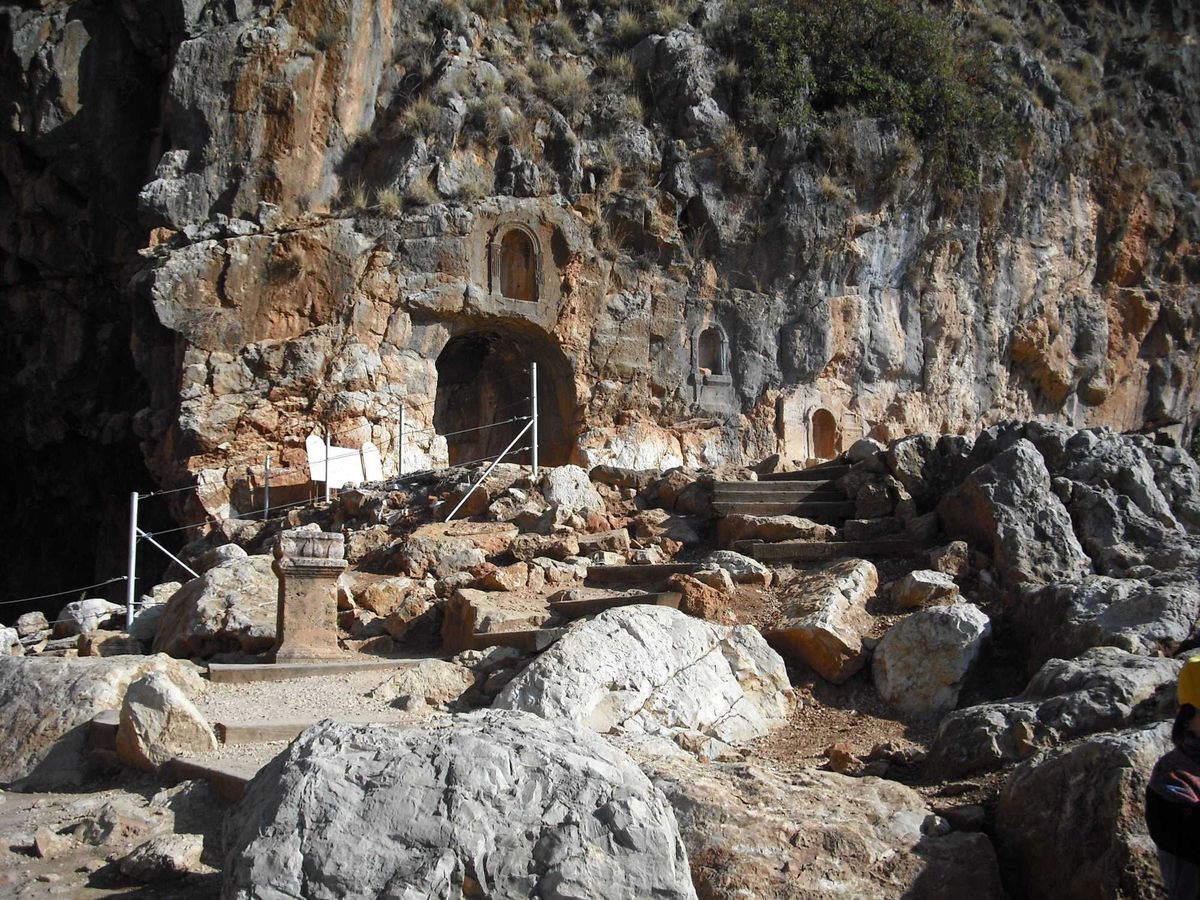
At Caesarea Philippi — a city filled with temples, imperial imagery, and pagan worship — Jesus asks: “Who do you say that I am?” In a place crowded with statues and competing claims to divinity, Peter confesses: “You are the Christ, the Son of the living God.” (ESV)
Jesus replies: “For flesh and blood has not revealed this to you, but my Father who is in heaven.” Right confession is not achieved by human brilliance. It is revealed by God. Blessed are those who recognise who Jesus truly is — not merely as teacher, prophet, or miracle-worker — but as Messiah and Son of God.
(3) What Does “Bind and Loose” Mean? (16:19)
“Whatever you bind on earth shall be bound in heaven, and whatever you loose on earth shall be loosed in heaven.”
Enquiry questions: What is being bound of tied up—things or people? Is there is a causation or link between Peter’s tying up on earth and what happens in heaven? Which comes first, events in heaven or earth? The grammar is especially important here.
Firstly, the object of the tying up (or binding up) is expressed in the “neuter” rather than “masculine” nouns, i.e., it refers to things or issues rather than persons. As an illustration, we see Peter given the responsibility to declare the gospel to the Gentiles and having them accepted as members of the church (Acts 10:1–11:18), a theological issue. Peter’s ministry also carried out discipline, a church function, on God’s behalf (Acts 5:1–11).
Secondly, the grammar of “shall be bound in heaven” and “loosed in heaven” both have the future perfect passive verbs utilised, i.e., when Peter makes his decision on earth, it will be found to “have been made in heaven already.” Peter’s role in proclaiming the gospel was not arbitrary or creating new content, but was to be done in accordance with God’s already declared purposes in heaven and in the past.
In Jewish usage, “bind” and “loose” referred to forbidding and permitting — declaring what is in line with God’s will. Jesus grants His apostles authority to proclaim heaven’s verdict through the gospel: (a) Declaring forgiveness to the repentant. (b) Warning the unrepentant. (c) Teaching what aligns with Christ’s kingdom. The church (and Peter) does not control heaven. The church announces what God in heaven has revealed.
(4) The Things of God vs. The Things of Man (Matthew 16:21–23)
Peter had just spoken something God revealed to him (Matthew 16:17). But only moments later, he speaks in a way that opposes God’s plan. When Peter rejects the idea that Jesus must suffer and die, he is unknowingly repeating Satan’s earlier temptation (Matthew 4:8–9). Satan had offered Jesus power and glory without suffering. Now Peter is suggesting the same thing — that Jesus can be Messiah without going through pain and the cross.
Peter’s idea of the Messiah reflects normal human thinking: Power without suffering. Victory without sacrifice. Glory without the cross. Comfort without sacrifice. But God’s way is different. Jesus tells Peter, “Get behind me.” The image is important:
• A disciple should follow behind the teacher.
• Instead, Peter is standing in front, trying to direct Jesus.
• Rather than being the “rock,” he becomes a stumbling block.
Peter is thinking in purely human terms. But as Isaiah 55:8–9 teaches, God’s thoughts are not the same as human thoughts. Throughout the rest of the Gospel, Jesus keeps correcting this misunderstanding. The disciples repeatedly think in terms of status, power, and greatness (see Matthew 19:23–30; 20:20–28), but Jesus teaches them that true greatness in God’s kingdom comes through humility, suffering, and service.
In short: Peter moves from speaking God’s truth to expressing human thinking that unintentionally echoes Satan’s temptation — seeking glory without the cross. If our minds are not saturated with the purposes of God, we may speak boldly — even correcting Jesus — while being completely out of step with Him. What fills your thought world will shape your response to Christ.
Final Reflection: Matthew 16 leaves us with three commands:
(a) Discard the leaven: Guard your heart from unbelief and distorted teaching.
(b) Confess Christ: Ask God for revelation. Worship Jesus as the Christ, the Son of the living God.
(c) Take up the cross.
May we discard the leaven, take up the cross, follow Jesus — and in losing our lives for His sake, truly find them.
QT 22/02/2026 星期日. 马太福音 16 受不信的捆绑,还是被启示改变?
阅读 http://m.bbintl.org/bible/ncv/mat/16/
弃绝酵母(不信)。背起十字架。跟随耶稣,寻得生命。马太福音16章标志着耶稣加利利事工的终结,以及向十字架方向的决定性转向。我们既看见日益增长的反对,也看见祂事工中更深的启示。我们是受不信影响,还是被启示改变?
(1) 弃绝酵(马太福音16:1-12)
耶稣在16:1-4驳斥了批评者。法利赛人和撒都该人——神学上的对手——联合起来试探耶稣,要求祂从天上显个神迹。但耶稣拒绝了。
“邪恶和淫乱的世代要寻求神迹,除了约拿的神迹之外,不会有什么神迹给它了。”(16:4)
“约拿的神迹” 指向耶稣的受死、埋葬与复活——这正是福音的核心(耶稣在12:40中阐明过)。约拿不情愿的传道已使尼尼微城悔改(公元前7世纪左右,亚述古国尼尼微是当时世界最大城市之一)。但耶稣时代的世代却拒绝了更伟大的传道者——道成肉身的神。
他们的问题不在于缺乏证据,而在于顽固的不信。更多神迹无法医治盲目之心。宗教领袖渴求天降奇观,耶稣却应许他们空坟墓。
当门徒开始明白时(16:5-12),耶稣警告道:“你们要谨慎,防备法利赛人和撒都该人的酵。” 酵母悄然发酵,蔓延无处不在。虚假的教导亦是如此。伪装成精深学问的怀疑论同样如此。起初门徒误解了,以为耶稣在谈论面包。他们 “小信” 的反应,正显明连耶稣的追随者也容易错失属灵的真谛。
警惕骗局:法利赛人和撒都该人的教导如酵母般蔓延。它看似虔诚、谨慎且权威——实则侵蚀对基督的信靠。不信具有传染性。今日当提防类似诡计。
应用:(a) 哪些因素正在塑造你的神学观?(b) 你是否更倾心于智识的印记而非谦卑的顺服?(c) 你是否守护着心田免遭隐秘的妥协?在酵种蔓延前将其弃绝。
(2) 认识祂的人有福了(马太福音16:13-20)
在腓立比的该撒利亚——这座充斥着神庙、帝王象征与异教崇拜的城中——耶稣发问:“你们说我是谁?”面对林立的雕像与纷争的神性宣称,彼得宣告:“你是基督,是永生神的儿子。” 耶稣回应:“这不是人指示你的,而是我在天上的父启示你的。” 正确的认信并非源于人的智慧,乃是上帝的启示。那些认清耶稣真实身份的人有福了——不仅是教师、先知或行神迹者,更是弥赛亚与上帝之子。
(3) “捆绑与释放”的含义是什么?(16:19)
“凡你在地上所捆绑的,在天上也要捆绑;凡你在地上所释放的,在天上也要释放。”
探究问题:被捆绑的是事物还是人?彼得在地上捆绑的行为与天上发生的事之间存在因果关联吗?天上与地上的事件孰先孰后?此处的语法尤为关键。
首先,被捆绑的对象使用的是中性名词而非阳性名词,表明其指代事物或议题而非人。例如彼得被赋予向外邦人传福音的使命,并接纳他们成为教会成员(使徒行传10:1-11:18),这属于神学议题。彼得的服事也包含代神施行教会纪律(徒5:1-11)。
其次,“在地上捆绑”与“在地上释放”的句法均使用未来完成被动式动词,即彼得在地上作出的决定,在天上已被预先确立。彼得传扬福音的职分并非任意妄为或创造新内容,而是要遵行神在天上早已宣告的旨意。
在犹太传统中,“捆绑”与“释放”指的是禁止与允许——宣告何为符合神旨意之事。耶稣赋予使徒们通过福音宣告天国判决的权柄:(a) 向悔改者宣告赦免;(b) 警告顽固不化者。(c) 教导符合基督国度的事。教会(及彼得)并非掌管天国,而是宣告天父所启示的真理。
(4) 神的事与人的事(马太福音16:21-23)
彼得刚说出神启示他的话(马太福音16:17)。但转瞬之间,他的言论竟与神的计划相悖。当彼得拒绝耶稣必须受苦受死的观念时,他不知不觉重蹈了撒但先前试探的覆辙(马太福音4:8-9)。撒但曾向耶稣许诺无需受苦便可得权柄荣耀,此刻彼得却提出相同主张——耶稣无需经历痛苦与十字架就能成为弥赛亚。
彼得对弥赛亚的认知反映了世俗思维:不经苦难便得权柄,不献祭便得胜利,不背十字架便得荣耀,不牺牲便享安逸。但神的道路截然不同。耶稣对彼得说:“你退我后边去吧。” 这画面蕴含深意:
• 门徒理当跟随在导师身后
• 彼得却站在前方,企图指挥耶稣
• 他本该成为“磐石”,此刻却成了绊脚石
彼得完全以人的思维方式思考。但正如以赛亚书55:8-9所教导的,神的意念非同人的意念。在福音书的其余部分,耶稣不断纠正这种误解。门徒屡次以地位、权柄和尊荣为念(参见《马太福音》19:23-30;20:20-28),但耶稣教导他们:上帝国度里真正的尊荣,唯有通过谦卑、受苦与服侍才能获得。
简言之:彼得从宣告神的真理,转为表达无意间呼应撒但试探的人类思维——追求不经十字架的荣耀。若我们的心思未被神的旨意充满,便可能口出狂言(甚至纠正耶稣),却与祂完全背道而驰。思想世界被何物占据,将决定你对基督的回应。终极反思:马太福音16章留下三条诫命:
(a) 弃绝酵母:谨防心中滋生不信与歪曲的教导。
(b) 认信基督:祈求神启示。敬拜耶稣为基督,永生神的儿子。
(c) 背起十字架。
愿我们弃绝酵母,背起十字架,跟随耶稣——为祂舍命,便得着永生。