QT 23/10/2026 Fri John 15:1–17 Abide or Wither: The Choice That Changes Everything 常在或枯萎:改变一切的选择
QT 23/10/2026 Fri John 15:1–17 Abide or Wither: The Choice That Changes Everything
READ https://www.esv.org/john15:1-17/
What’s the difference between a branch that bears fruit and a branch that withers? It’s not a small difference—it’s the difference between abiding in Christ and walking away from Him. In John 15, Jesus gives us a life-changing command: “Abide in Me.” So, what does it really mean to abide?
John 15:1–17 presents a difference that is not merely nominal or slight. Jesus speaks of two profoundly different conditions: abiding in Him and not abiding in Him.
“Abide in me, and I in you.” — John 15:4
The central question, then, is not simply, “Am I associated with Jesus?” but “Am I abiding in Jesus?”
(1) What does it mean to “abide in me”?
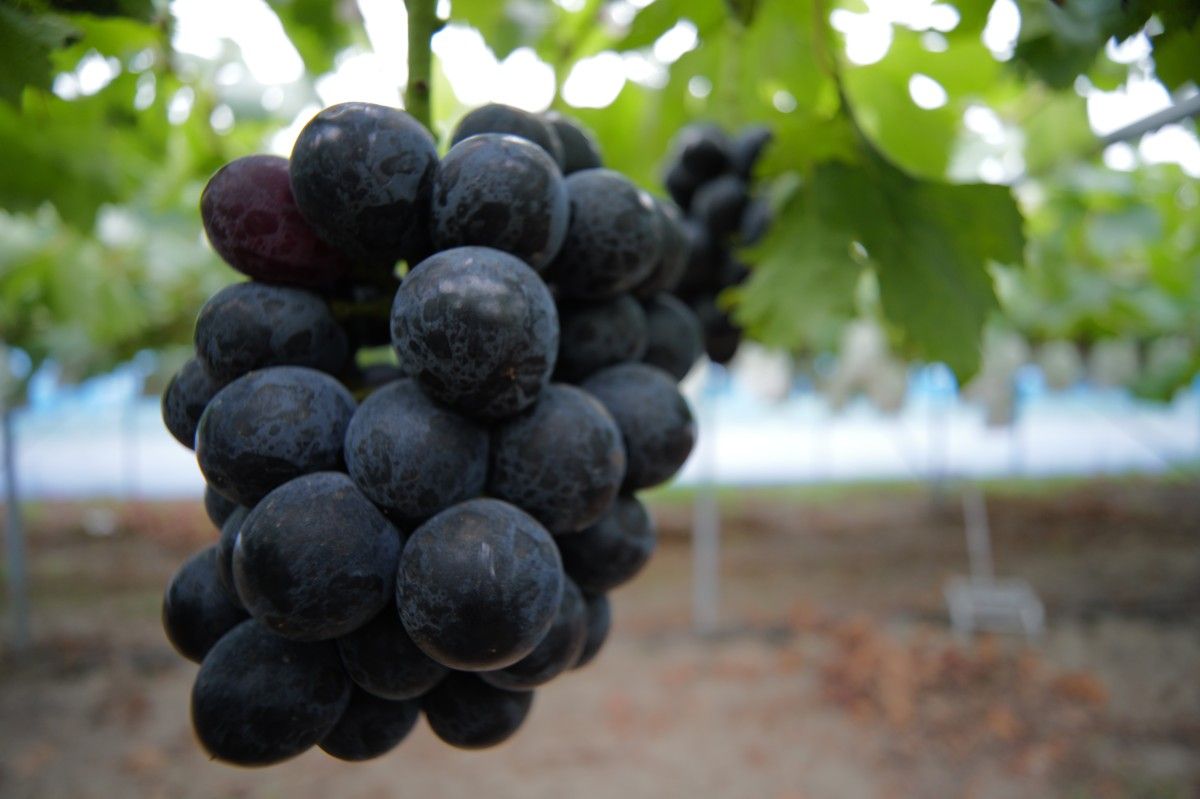
To abide in Christ means to remain, continue, dwell, and depend upon Him. Jesus uses the picture of a vine and its branches. A branch has no independent life-producing power. It bears fruit because it remains connected to the vine. So abiding in Christ involves:
*Remaining in His word— allowing His teaching to shape what we believe and how we live (John 15:7).
*Depending upon Him— recognizing that “apart from me you can do nothing” (John 15:5).
*Remaining in His love — not treating Christ's love as merely a past event, but living continually within the relationship He has established with us (John 15:9–10).
*Keeping His commandments — obedience is not presented as an alternative to abiding; Jesus explicitly connects the two: “If you keep my commandments, you will abide in my love” (v. 10).
*Bearing fruit — a living connection to Christ produces visible spiritual fruit (vv. 5, 8).
Abiding, therefore, is more than occasionally thinking about Jesus, attending church, or identifying oneself as a Christian. It is a continuing relationship of faith, dependence, obedience, and love.
And notice the beautiful purpose Jesus gives in verse 11: “that my joy may be in you, and that your joy may be full.” Abiding is not merely about avoiding judgment. It is life with Christ that produces His joy in us.
(2) What does it mean to “not abide in me”?
Jesus gives the contrasting picture in verse 6: “If anyone does not abide in me he is thrown away like a branch and withers…”
The opposite of abiding is therefore not remaining in Christ. It is separation from the life-giving relationship Jesus describes. The branch may appear outwardly connected for a time, but the decisive issue is whether there is genuine, continuing connection to the vine.
John 15 therefore confronts us with a serious spiritual reality: mere outward association with Christ is not the same thing as abiding in Christ. The passage does not invite us to examine whether we have achieved sinless perfection. Rather, it calls us to ask whether our lives are characterized by continuing dependence upon Christ, obedience to His word, love for Him, and love for His people.
(3) Jesus gives us a practical test: love and obedience
This brings us directly to the Scripture Focus, John 15:10–14. Jesus says: “If you keep my commandments, you will abide in my love.” — v. 10 Then He immediately identifies the commandment: “that you love one another as I have loved you.” — v. 12
This is crucial. Abiding in Christ is not an invisible claim that has no practical consequences. The person who abides in Christ increasingly becomes like Christ in the way he treats others.
And what kind of love does Jesus command?
“Greater love has no one than this, that someone lay down his life for his friends.” — v. 13
Jesus does not merely tell us to feel love. He defines love by self-giving sacrifice. He Himself is the ultimate example. He is about to lay down His life for His people. Therefore, abiding in Christ changes the direction of our lives:
Christ loves us → we abide in His love → we obey Him → we love one another → our lives bear fruit.
If laying down your life is a big jump for you, start with laying down your time, attention and money, the lesser things first, then upgrade later.
(4) Allow The Father To Prune You (15:1–2)
In Jesus’ illustration of the vineyard here, the Father is the Vinedresser (15:1–2). The Father’s role in John 15 is decisive. Like a careful vinedresser, He works to ensure that the vine bears fruit. Are you aware and allowing the Father to do this work in you?
Every fruitless branch is removed, while fruitful branches are pruned so that they can produce even more fruit. The main point is not to explain whether true believers can fall away, but to emphasise the importance of fruitfulness.
Reflection: Is it compulsory or optional that a believer bear fruit?
A vine exists to produce fruit. That’s the whole purpose of a vineyard anyway. There’s no point in having a vineyard where fruitfulness is secondary or optional, isn’t it? In the same way, Christians are called to live fruitful lives. Pruning is necessary because a vine can produce much growth that is unproductive if there is no farmer like the Father, just as young children left to themselves without a guardian is likely to run into problems and danger. Likewise, God sometimes works in our lives to remove what hinders spiritual growth and to make us more fruitful.
Prayer
Heavenly Father, thank You for being our faithful Vinedresser. Prune away whatever hinders our walk with You, cleanse our hearts, and help us abide in Christ. May our lives bear fruit that glorifies You and blesses others. In Jesus’ name, Amen.
QT 23/10/2026 星期五 约翰福音 15:1–17 常在或枯萎:改变一切的选择
阅读 https://www.biblegateway.com/passage/?search=john 15%3A1-17&version=CNVS
结果子的枝子与枯萎的枝子有什么区别?这绝非微不足道的差异——而是“住在基督里”与“远离基督”之间的本质区别。在《约翰福音》第15章中,耶稣赐给我们一条能改变生命的命令:“你们要住在我的里面。”那么,“住在里面”究竟意味着什么呢?
《约翰福音》15:1–17所呈现的差异,绝非仅仅是名义上的或微不足道的。耶稣谈到了两种截然不同的状态:住在祂里面与不住在祂里面。
“你们要住在我里面,我也就住在你们里面。枝子若不连在葡萄树上,自己就不能结果子;你们若不住在我里面,也是这样。”——《约翰福音》15:4
因此,核心问题不仅仅是“我是否与耶稣有联系?”,而是“我是否住在耶稣里面?”
(1) “住在祂里面”是什么意思?
住在基督里面,意味着留在他里面、持续与他同在、安居于他,并倚靠他。耶稣用葡萄树和枝子的比喻来阐释这一点。枝子本身没有独立的生发能力,它之所以能结果子,是因为它始终与葡萄树相连。因此,住在基督里面包括:
*住在祂的话语中——让祂的教导塑造我们的信仰和生活方式(约翰福音 15:7)。
*倚靠祂——认识到“离开我,你们就不能做什么”(约翰福音 15:5)。
*住在祂的爱里——不要把基督的爱仅仅视为过去的一件事,而是要持续活在祂与我们所建立的关系之中(约翰福音15:9–10)。
*遵守祂的诫命——顺服并非“住在祂里面”的替代方案;耶稣明确将二者联系在一起:“如果你们遵守我的命令,就必定住在我的爱里”(第10节)。
*结出果子——与基督活泼的联结会结出可见的属灵果子(第5、8节)。
因此,“住在主里面”绝不仅仅是偶尔想起耶稣、参加教会聚会,或是自称是基督徒。它是一种由信心、倚靠、顺服和爱所构成的持续关系。
请注意耶稣在第11节所揭示的美好旨意:“我把这些事告诉了你们,好让我的喜乐存在你们心里,并且使你们的喜乐满溢。” 常在主里面,不仅仅是为了避免审判。这是与基督同在的生命,能在我们里面结出祂的喜乐。
(2) “人若不住在我里面”是什么意思?
耶稣在第6节中给出了对比的画面:人若不常在我里面,或者人若不住在我里面就像枝子被丢在外面枯干了。
因此,“不常在我里面”的相反,就是不留在基督里面。它意味着与耶稣所描述的、赋予生命的关系分离。枝子在外表上可能暂时看起来还连着,但关键在于它是否与葡萄树有着真实、持续的联结。
所以,《约翰福音》第15章向我们揭示了一个严峻的属灵现实:仅仅在外表上与基督有联系,并不等同于住在基督里面。这段经文并非要我们检视自己是否已达到无罪的完美境界,而是呼吁我们自问:我们的生活是否以持续倚靠基督、顺服祂的话语、爱祂以及爱祂的子民为特征。
(3) 耶稣给我们一个实际的检验标准:爱与顺服
这直接引出了今天的经文重点——《约翰福音》15:10–14。耶稣说:“如果你们遵守我的命令,就必定住在我的爱里。”——第10节 随后祂立刻指明了这条诫命:“你们要彼此相爱,像我爱你们一样。”——第12节
这一点至关重要。住在基督里面并非一种没有实际后果的虚无主张。住在基督里面的人,在待人接物上会越来越像基督。
那么,耶稣所吩咐的是怎样的爱呢?
“人为朋友舍命,人间的爱没有比这个更大的了。”——第13节
耶稣并非仅仅要求我们“感受”爱。祂将爱定义为自我奉献的牺牲。祂自己就是最完美的榜样。祂即将为祂的子民舍命。因此,住在基督里面会改变我们生命的方向:
基督爱我们 → 我们住在祂的爱里 → 我们顺服祂 → 我们彼此相爱 → 我们的生命结出果子。
如果舍命对你来说是一个巨大的跨越,那就先从奉献你的时间、关注和金钱开始,先从比较小的“舍命”开始做起,以后再逐步提升。
(4) 让天父修剪你(15:1–2)
在耶稣这里所讲的葡萄园比喻中,天父就是那位园丁(15:1–2)。在《约翰福音》第15章中,天父的角色至关重要。如同一位细心的园丁,祂竭力确保葡萄树结出果子。你是否意识到这一点,并允许天父在你身上做这工作?
每一个不结果子的枝子都会被剪去,而结果子的枝子则会被修剪,以便结出更多的果子。重点不在于解释真正的信徒是否会背道,而在于强调结出果子的重要性。
反思:信徒结出果子是必须的,还是可选的?
葡萄树的存在就是为了结果子。这本就是葡萄园的全部目的。如果结果子只是次要的或可有可无的,那拥有葡萄园还有什么意义呢?同样,基督徒被呼召要过结出果子的生活。修剪是必要的,因为如果没有像天父这样的农夫,葡萄树会生长出许多无果的枝条或其他的杂物;正如没有监护人照看的幼童,若任其自由行动,很可能会遇到问题和危险。同样,神有时会在我们生命中动工,除去阻碍属灵成长的障碍,使我们结出更多的果子。
祷告
天父,感谢祢是我们信实的葡萄园看守者。求祢剪除一切阻碍我们与祢同行的事物,洁净我们的心,并帮助我们常在基督里。愿我们的生命结出荣耀祢、祝福他人的果子。奉耶稣的名祷告,阿们。